Insights & Updates
Armed vs. Unarmed Security: Which Does Your Business Need?

Choosing between armed and unarmed security officers is about more than just the presence of a firearm. Here's how to make the right decision for your business.
One of the most common questions we hear from prospective clients is whether they need armed or unarmed security officers. The answer depends on your industry, your risk profile, your location, and even your company culture. Making the right choice requires understanding what each option provides — and what it does not.
Unarmed Security: Visible Deterrence and Customer Service
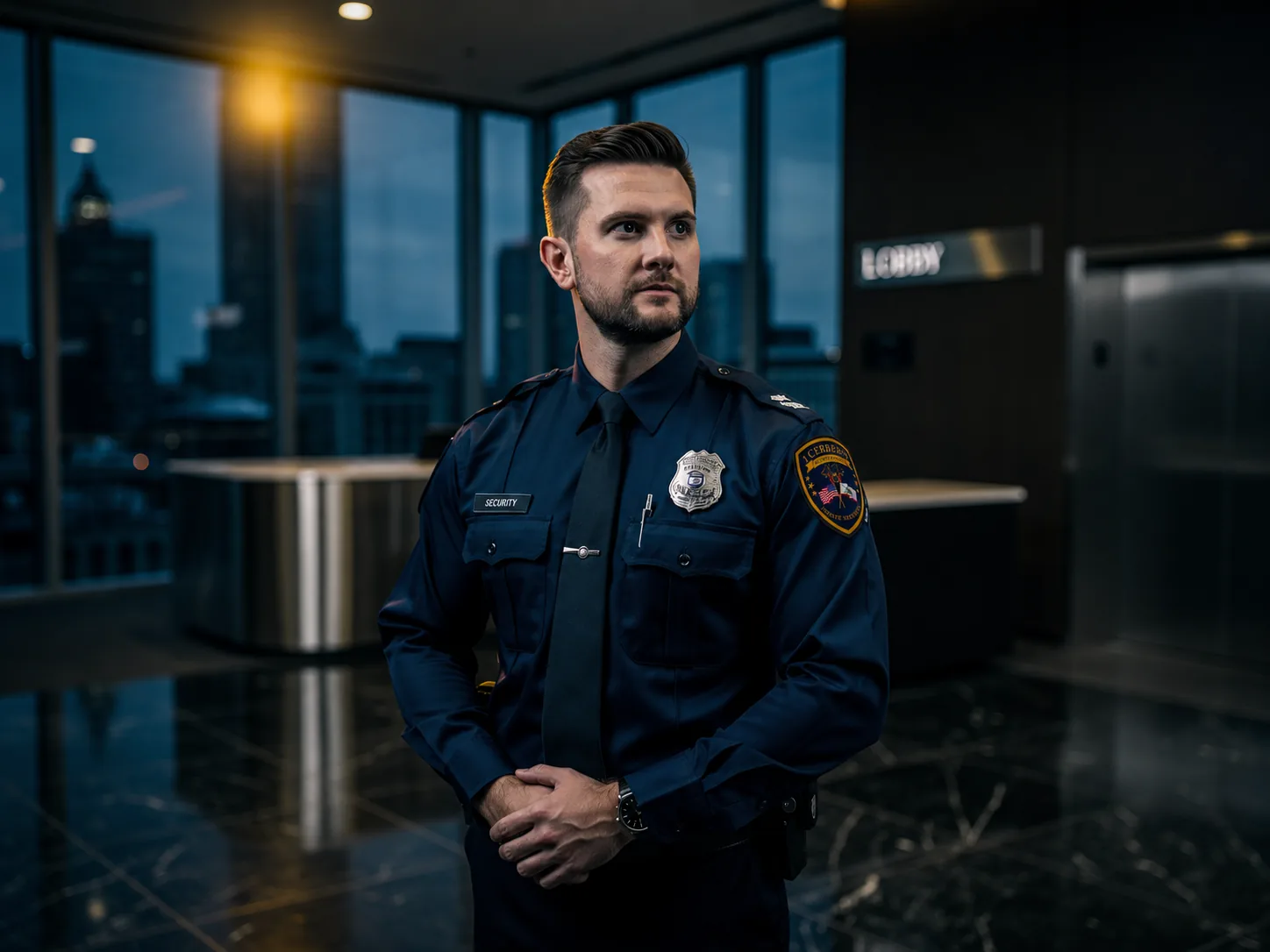
Unarmed security officers are the most common and versatile security solution. They serve as a highly visible deterrent to crime through their uniformed presence alone. Most criminals are opportunists looking for easy targets, and seeing a professional security officer on patrol is often enough to send them elsewhere. Unarmed officers excel in roles that blend security with customer service — greeting visitors, managing access control, providing directions, and serving as the friendly face of safety for your property.
- Lower cost compared to armed security
- Ideal for corporate offices, retail stores, hotels, and educational campuses
- Customer-facing presence that enhances — rather than intimidates — your visitors
- Trained in observation, de-escalation, and emergency communication
- Can still physically intervene and detain when necessary within legal limits
Armed Security: Maximum Deterrence for Elevated Risk
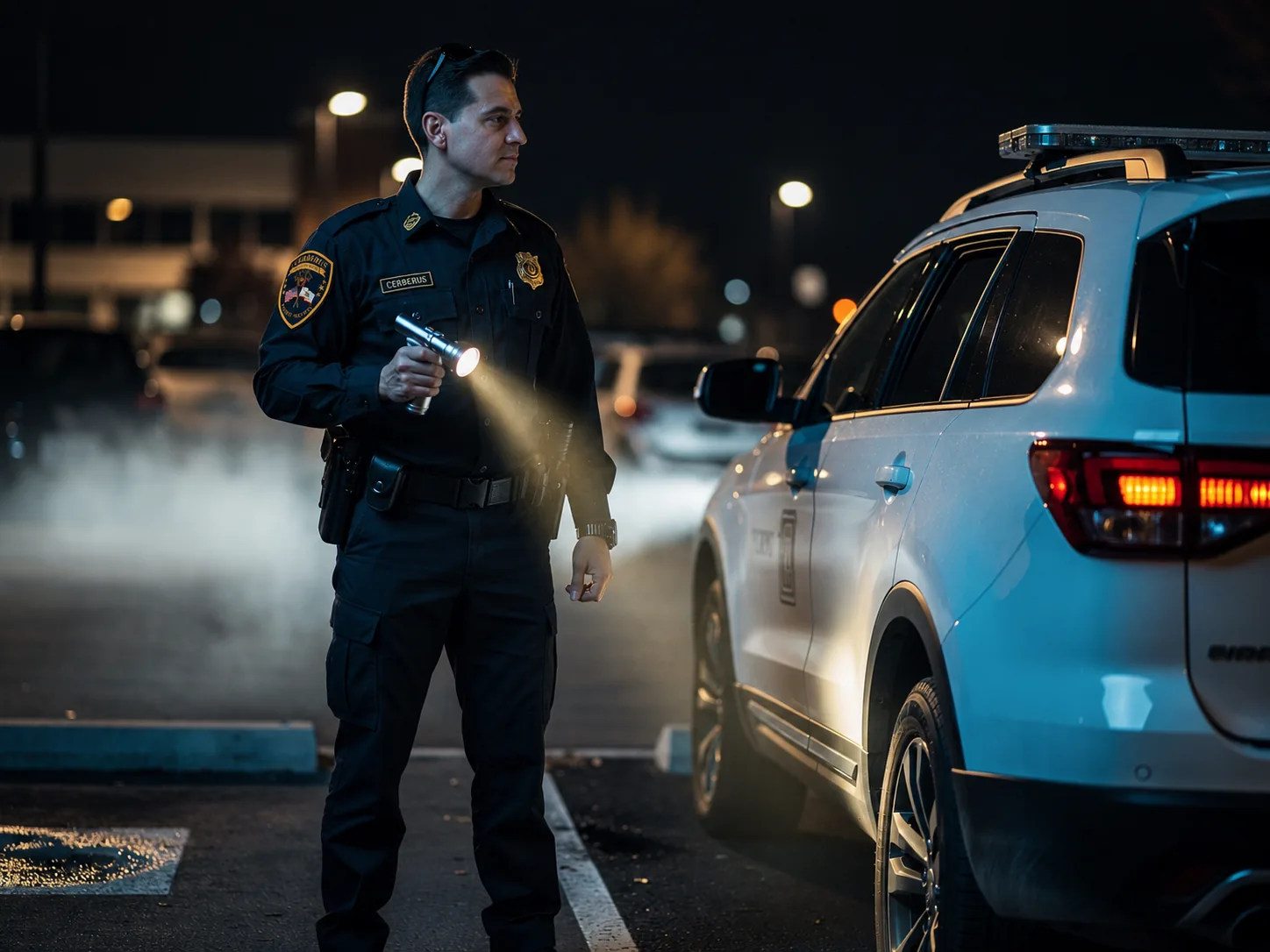
Armed security officers bring an additional layer of protection for environments where the threat level justifies a lethal-force capability. These officers hold BSIS firearms permits in addition to their guard cards and undergo rigorous screening, psychological evaluation, and ongoing requalification. Armed officers are appropriate when your business handles large amounts of cash, high-value merchandise, sensitive data, or when the threat assessment indicates a credible risk of armed confrontation.
- Higher cost reflecting additional training, licensing, and liability
- Essential for banks, jewelry stores, cannabis dispensaries, and executive protection
- Requires a clear use-of-force policy and close coordination with management
- Officers trained in firearms safety, tactical response, and deadly force decision-making
- Creates the strongest possible deterrent against armed robbery and violent crime
How to Decide
Start by assessing your actual risk. Has your business or similar businesses in your area experienced armed robbery? Do you handle cash, precious metals, pharmaceuticals, or other high-value assets that make you a target? What does your insurance provider require or recommend? What is your company culture — would an armed presence alarm your employees or customers, or would it give them peace of mind?
Many businesses find that a hybrid approach works best: unarmed officers for day-to-day operations and customer-facing roles, with armed officers for after-hours coverage, cash handling periods, or specific high-risk locations. A professional security consultation can help you determine the right mix for your specific situation and budget.